Key takeaways
- Systems differ in two ways: how they make heat or cool, and how they deliver it through the house.
- Furnaces and central air use ducts. Boilers use pipes and radiators. Heat pumps and mini-splits move heat with refrigerant.
- The existing ductwork or piping in your house limits your realistic choices more than any brand does.
- In Massachusetts, a good design for cold winters matters as much as the equipment, especially with heat pumps.
- The right answer is the system that fits your house, your fuel, and your budget. There is no single best type.
Start with two questions
When people ask what kind of heating and cooling system they need, they usually mix up two separate questions. The first is how the system makes heat or cooling. The second is how it delivers that comfort to the rooms of your house. A furnace burns fuel to make heat and sends it through ducts. A boiler heats water and sends it through pipes. A heat pump moves heat from one place to another using refrigerant, and it can deliver the result through ducts or straight into a room with no ducts at all.
Keeping those two questions apart makes the whole subject easier. It also explains why the house you already have matters so much. If your home has ducts, the easiest upgrades use them. If it has radiators, the easiest heating upgrade keeps them. Everything else is a bigger project with its own trade-offs.
This guide covers the main residential systems you will meet in Massachusetts. If you would like a free look at your own house, call or text us at (781) 353-8852, or read about our heating and cooling installation service.
Furnaces: forced air heating
A furnace heats air and a blower pushes it through ducts to registers in each room. Most furnaces in New England burn natural gas or heating oil, and some burn propane. Electric furnaces exist but are less common here because of the cost of electricity for whole-house resistance heat.
The strengths of a furnace are simple. It heats quickly, it delivers strong heat on the coldest days, and the same ducts and blower can serve central air conditioning. The drawbacks are that forced air can be drier and sometimes noisier than other systems, and the ducts need to be well designed and sealed.
- Gas furnaces: The most common in homes that have a gas main. Standard models are around 80 percent efficient, and condensing models reach 90 percent or more.
- Oil furnaces: Common where gas is not available. They need a fuel tank and yearly burner service.
- Single-stage, two-stage, and variable speed: More stages generally mean quieter operation and more even temperatures.
For repair and replacement details, see our pages on furnace repair and furnace installation.
Boilers: hot water and steam heat
A boiler heats water. In a hot water system, a pump circulates that water through baseboard, radiators, or tubing in the floor. In a steam system, the water is boiled and the steam rises to radiators on its own. Boilers can burn gas, oil, or propane, and they are especially common in older South Shore houses.
People who have boiler heat tend to love it. It is quiet, there are no drafts, and the warmth feels even. The limits are that a boiler provides heat only, so cooling has to come from a separate system, and the pipework makes some changes more complicated than they are with ducts.
| Feature | Hot water | Steam |
|---|---|---|
| Delivery | Pump moves heated water through pipes | Steam rises through pipes to radiators |
| Zoning | Easy to zone with valves or multiple pumps | More limited |
| Comfort | Even, quiet heat | Strong heat, can be uneven without balancing |
| Maintenance | Annual service, pressure and expansion tank checks | Water level controls, venting, and regular upkeep |
We work on both. See boiler repair and installation.
Heat pumps: one system for both seasons
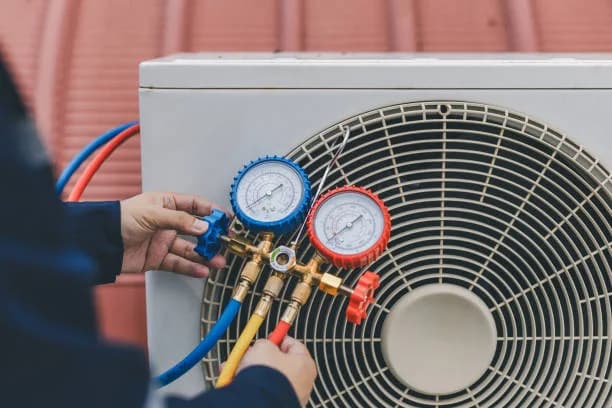
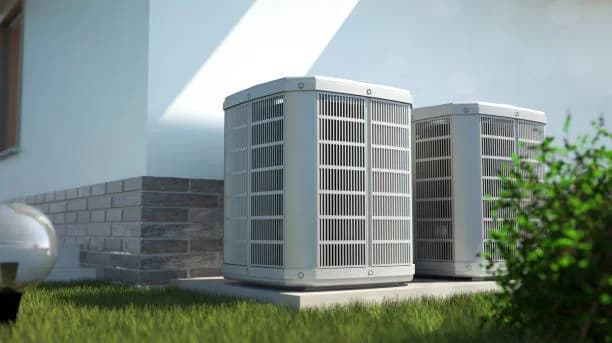
A heat pump uses electricity to move heat instead of creating it. In summer, it pulls heat out of your house and releases it outside, exactly as an air conditioner does. In winter, it reverses and pulls heat from the outdoor air into your house. Because it moves heat rather than burning fuel, a heat pump can deliver more heat energy than the electricity it uses.
Cold climate models are designed to keep working in low temperatures, which is what makes them practical in Massachusetts. Their output falls as the temperature drops, so design matters, and some homes keep a furnace or boiler as backup. ENERGY STAR has a useful overview of air-source heat pumps.
- Ducted air-source heat pumps: Use your ductwork, with an indoor air handler and an outdoor unit.
- Ductless mini-splits: An outdoor unit connected to one or more indoor units. No ducts needed.
- Ground-source (geothermal) heat pumps: Exchange heat with the ground through buried loops. Very efficient and a much larger installation project, which is why it is a separate decision from the rest of this guide.
- Hybrid or dual fuel: A heat pump that works with a furnace and switches to the furnace in the coldest weather.
See our service page on heat pumps and ductless mini-splits, and our comparison of a heat pump and a furnace in Massachusetts.
Central air conditioning
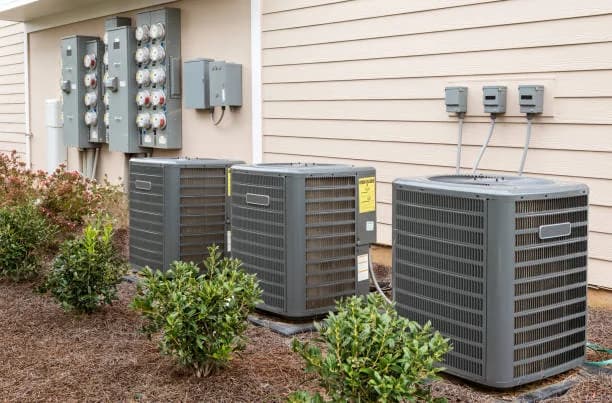
A central air conditioner cools through the same ducts as a furnace. An outdoor condenser releases heat, and an indoor coil above the furnace or in an air handler cools the air. It is a good fit for any house with decent ducts and a desire to cool every room evenly.
For houses without ducts, the options are ductless mini-splits, a small-duct system in some cases, or window units. We cover the decision in central air conditioning installation and in our cost guide for central air in Massachusetts.
Other systems you may run into
- Electric baseboard: Simple and cheap to install, expensive to run in a cold climate. Often a candidate for replacement or supplementing with a heat pump.
- Radiant floor heating: Hot water tubing in the floor. Very comfortable, usually found in new construction or major renovations.
- Wood and pellet stoves: Often a supplement to the main system. They need chimney maintenance and a plan for fuel.
- Window and portable units: Useful for small spaces. Less efficient and less convenient than a permanent solution.
Side by side comparison
| System | Heats | Cools | Ducts needed | Strengths | Limits |
|---|---|---|---|---|---|
| Gas or oil furnace | Yes | With central AC | Yes | Strong heat, familiar, can share ducts with AC | Fuel use, needs good ducts |
| Boiler | Yes | No | No | Quiet, even heat, easy zoning | No cooling, pipe work |
| Ducted heat pump | Yes | Yes | Yes | One system for both seasons, efficient | Needs good design for cold weather |
| Ductless mini-split | Yes | Yes | No | Flexible, zones, no ducts | Visible indoor units, best planned room by room |
| Central air only | No | Yes | Yes | Even cooling, hidden | Needs ducts, does not heat |
| Hybrid system | Yes | Yes | Yes | Efficiency with a strong backup | More equipment to maintain |
How to choose for a Massachusetts house
Work through these questions, and the options narrow quickly.
Questions to ask before you choose
- What heats the house now, and what is its age and condition?
- Does the house have ducts, and are they in good shape?
- What fuels are available at my address, and what do they cost me?
- Do I want cooling, and if so, for the whole house or a few rooms?
- How well insulated and air sealed is the house?
- What is the budget now, and what are the running costs I can live with?
- Do any incentives apply, and have I confirmed the current terms?
- Am I planning an addition, a renovation, or a move that changes the answer?
Most homeowners end up in one of three places. Either they replace what they have with a better version of it, they add cooling to a heating system they already like, or they move to a heat pump for part or all of the house. All three are reasonable, and the best path depends on your answers above. If you want a person to walk through it with you, we offer a free estimate.
Questions homeowners ask
What is the most common heating system in Massachusetts homes?
Forced air furnaces and hot water boilers are both very common, burning gas, oil, or propane depending on the area. Heat pumps and mini-splits are growing quickly.
Can one system heat and cool my house?
Yes. A heat pump, ducted or ductless, heats and cools. A furnace paired with central air does the same with two components sharing ducts.
Are boilers or furnaces better?
Neither is better in general. Boilers are quieter and give even heat. Furnaces share ducts with air conditioning. Which is better for you depends mostly on what your house already has.
Do heat pumps work in Massachusetts winters?
Cold climate models do, when designed properly. Some homes keep a furnace or boiler as backup for the coldest days.
What is the cheapest system to install?
It depends on the house. Replacing like with like is usually the least costly. Changing system types often means duct or piping work. See our cost guide.
Related services
Sources and further reading
Written by the team at Home Heating and Cooling in Norwell, MA. We review our guides at least twice a year and update them when equipment, codes, or programs change. Last updated October 23, 2026.